Do they speak English in Annecy?

Where English works easily
Annecy has been receiving international visitors for a very long time and sits close to Geneva, one of the most international cities in Europe, with a workforce that crosses the border daily. The practical result is that anyone whose job involves visitors is used to working in English.
You can expect it at the tourist office, at hotel desks, at both museums, on the boats, and with paragliding and canyoning operators — the last of those matters most, because a safety briefing you half-understand is not a safety briefing. If you are booking an activity where instructions are given in the air or in moving water, confirm the language when you book. Reputable operators expect the question.
Where it gets thinner
Small bakeries, market stalls, buses, the pharmacy, a village shop on the far shore, and anyone whose job does not involve tourists. None of this is a problem — transactions like these run on about eight words and a pointed finger — but it is worth expecting rather than being surprised by.
Written French is unavoidable in a few places that matter: parking machines, bus timetables, and the signs at trailheads. Translation apps handle all three well enough, and the practical page covers the parking machines in particular.
Open every exchange with “Bonjour” before you say anything else, including before you ask whether someone speaks English. In France that single word is not politeness, it is the entry condition for the conversation, and skipping it is the most common reason visitors report that people were cold with them.
The short list worth learning
None of this is a language course. It is the six phrases that carry almost every interaction a visitor has:
- Bonjour — hello, and non-negotiable on entering anywhere
- Bonsoir — the same thing from early evening onwards
- S’il vous plaît — please
- Merci, au revoir — thank you, goodbye, said on the way out
- Parlez-vous anglais ? — do you speak English, asked after “Bonjour”
- L’addition, s’il vous plaît — the bill, please
Used in that order, they will get you through a week here without friction. The effort is noticed and it is reciprocated, which is the actual reason to bother.
Are tours run in English?
Most guided products sold to international visitors are, and the listing states the language. Where a tour runs bilingually, expect everything to take longer and the commentary to be thinner in both languages. On a walking tour that is a mild irritation; on an activity with a safety component it is a reason to pick a different departure.
 60 minutes
Annecy: Express Walk with a Local in 60 Minutes
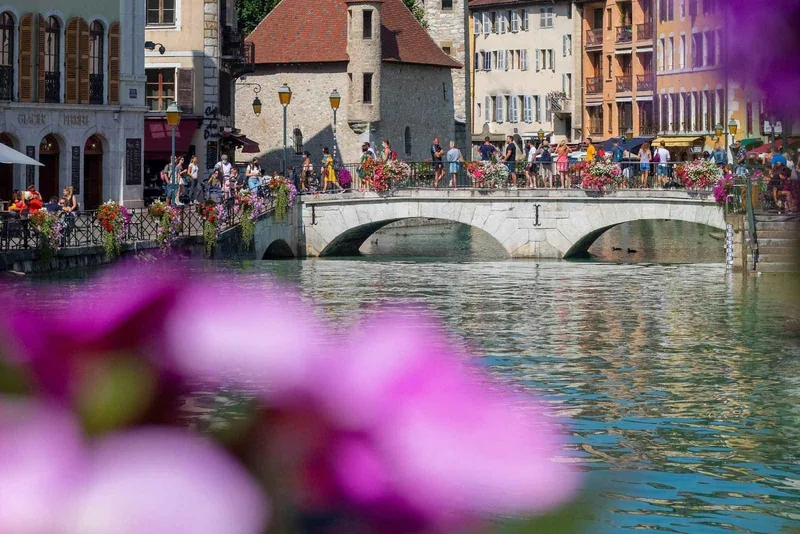 Private guide
Annecy: Two-Hour Insider Walking Tour with a Local Guide
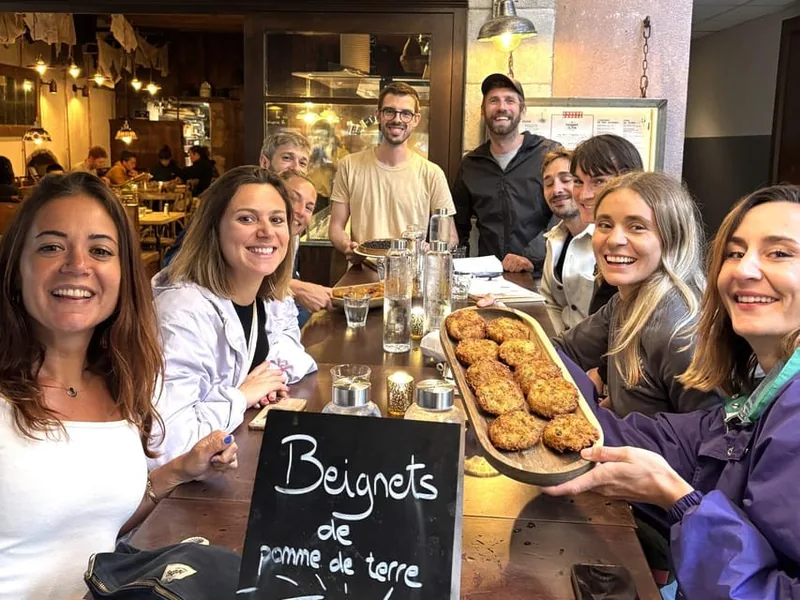 Many tastings
No Diet Club: Food Tour of Annecy with Many Tastings
Can’t make these dates?
Browse more tours and activities in Annecy and find one that fits your schedule — all with instant confirmation and free cancellation.
Frequently asked questions
Do people in Annecy speak English?
In tourism, widely — hotels, museums, boat crews, tour operators and most central restaurants will deal with you in English. Outside tourism it is patchier, which is normal for a French town of this size.
Do you need to speak French to visit Annecy?
No. But opening every exchange with “Bonjour” before anything else genuinely changes how the rest goes. Six phrases will carry you through a week here comfortably.
Are tours in Annecy available in English?
Most tours sold to international visitors run in English and the listing says so. For paragliding and canyoning, confirm the briefing language when you book — a safety briefing you only half-follow is not one.
Is English spoken in the shops and markets?
Sometimes, and often only a little. Market stalls, small bakeries and village shops run mostly in French, though these are also the transactions that need the fewest words.
Will restaurants have English menus?
In the centre, usually. Further out, often not — and that is generally a good sign about where you have ended up. A translation app handles a Savoyard menu in seconds.