Annecy: the complete guide
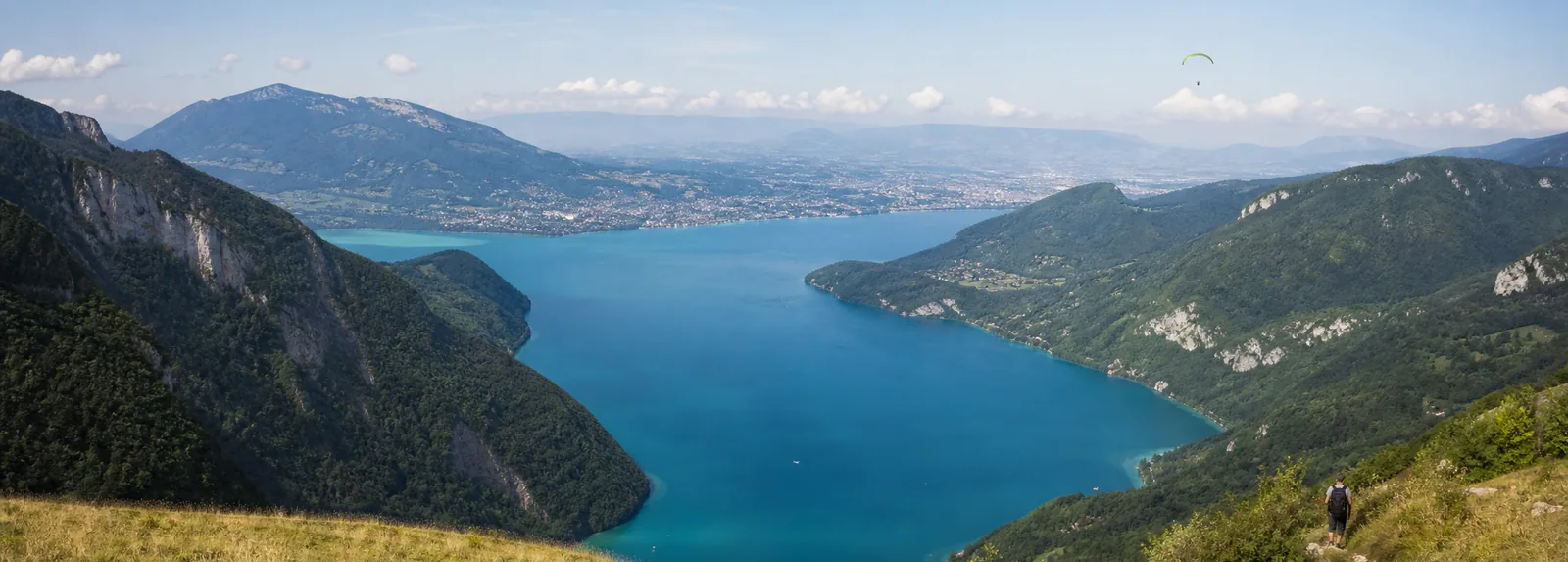
What Annecy actually is
Annecy is a lake town that happens to have a very old centre, not an old town that happens to have a lake. That order matters, because it is the opposite of how the photographs sell it. The images that brought you here are almost all taken within about two hundred metres of each other, along the Thiou — the 3.6 km river that drains the lake and runs out through the middle of the historic core. The Thiou is why the canals exist, why the town is called the Venice of the Alps, and why the most photographed building in the region is a stone prow standing in the middle of a watercourse.
Beyond that core, the town is bigger and more ordinary than visitors expect. On 1 January 2017 Annecy merged with Annecy-le-Vieux, Cran-Gevrier, Meythet, Pringy and Seynod — the largest commune merger carried out in France up to that point. The headline population of about 135,000 covers six formerly separate towns; the Grand Annecy agglomeration is around 213,000 people across 34 communes and 515 km². The place in the photographs is a small fraction of that, and almost everyone is surprised how small.
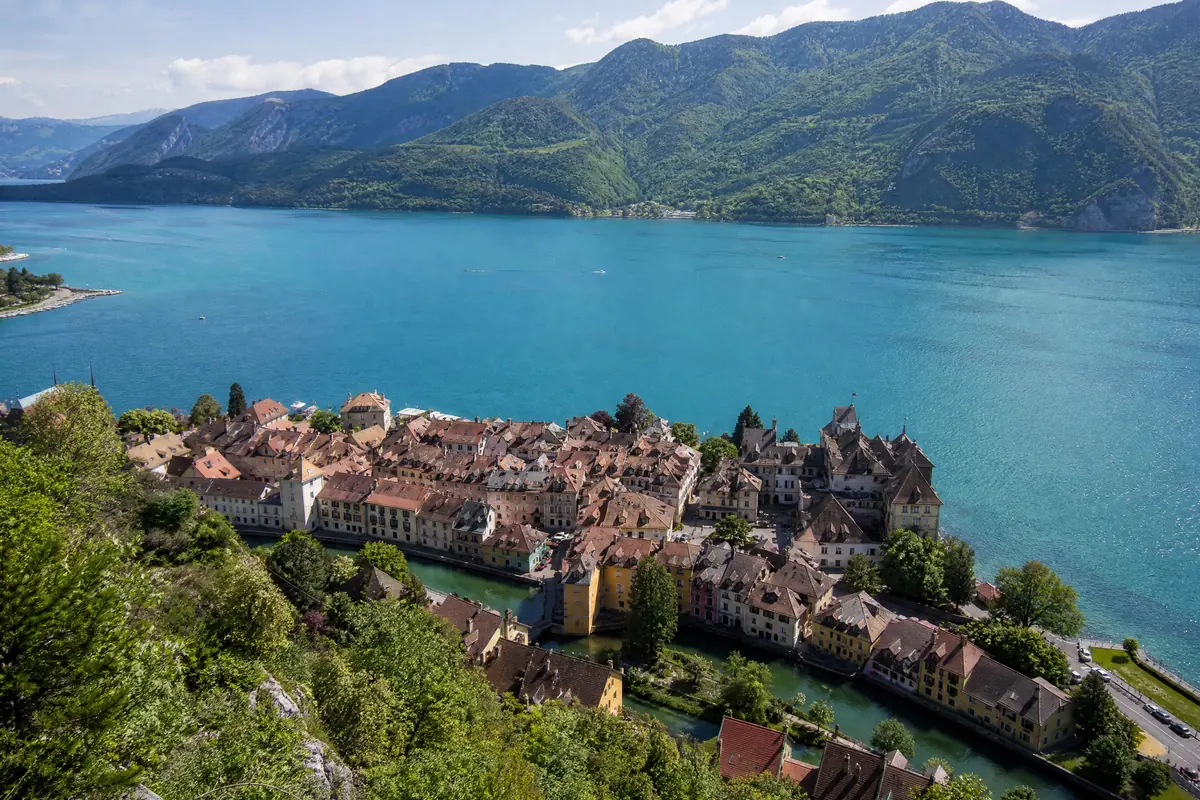
The lake is the reason, not the backdrop
Lake Annecy covers 27.59 km², runs 14.6 km from Annecy at the north end to Doussard at the south, and reaches 82 m at its deepest. It formed roughly 18,000 years ago as the alpine glaciers withdrew, and it is the third-largest lake lying wholly within France. It is also clean in a way that has an actual explanation rather than a slogan attached to it: a ring of sewage collectors was built around the entire shoreline between 1961 and 1976, and nothing has been allowed to drain into it since. The full story of how that happened is the most interesting thing about this town and the thing that almost no guide bothers to tell.
Practically, the lake gives you four things to do, and they are all better than anything inside the town: get out on it by boat, swim off a free town beach, ride the old railway line down the western shore, or get above it — on foot to a viewpoint, or under a wing off the Col de la Forclaz.
How long you need
A day is enough to see the town and get on the water. Two days is enough to see the town and the lake properly. Three or more and you stop sightseeing and start choosing a village, which is when Annecy is at its best.
- One day: the Old Town before ten, the château, a boat at midday, and Le Pâquier for the evening light. All of it on foot.
- Two days: day one as above, day two around the lake by bike, boat or car — with a flight or a canyon in the middle of it.
- Three or more: base yourself in a lake village, buy a boat pass or rent a bike, and stop planning.
The whole day on foot — stops 1–5. Nothing here is more than a fifteen-minute walk from anything else, which is the single most useful thing to know about Annecy.
Getting here
Annecy is unusually easy to reach for a town this size. Geneva is about 51 km away, roughly 40 minutes by road, and — contrary to what most booking sites still tell you — there is a direct train. Paris is about three and three quarter hours by direct TGV from Gare de Lyon. Lyon is about 138 km. Once you are here, you should not be driving: the Old Town is pedestrianised and the car parks around it fill by mid-morning in summer.
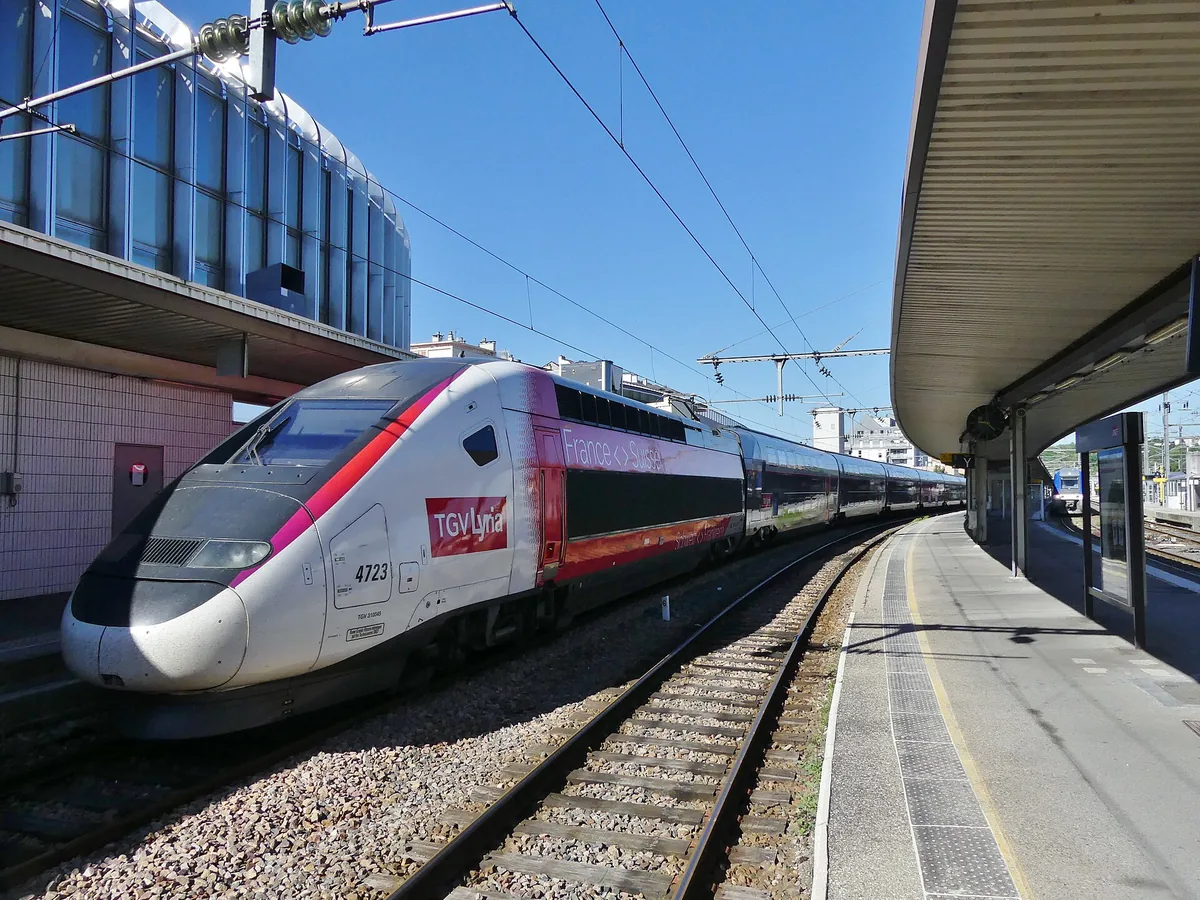
Full detail: how to get to Annecy · getting around and parking
When to come
Peak season is June to August and August is the busiest month of the year. The honest recommendation is mid-May to late June, or September: warm enough, the lake swimmable from late June, and none of the August queues. July highs sit around 25 °C and January highs around 5 °C. One thing most guides leave out — Annecy gets around 1,600 mm of rain a year, which is high for France, and summer thunderstorms are entirely normal. Pack for one.
Two dates move the whole town. The Annecy International Animation Film Festival takes over in June and fills every bed for a hundred kilometres. The Fête du Lac, Europe’s largest pyrotechnic show over water, traditionally falls on the first Saturday of August. Both are worth planning around — in either direction.
What it costs
Annecy is not a cheap town, and the reason is structural rather than touristic: it is a prosperous place close to the Swiss border where a lot of residents earn in Swiss francs. That pushes rents and restaurant prices above what a French town of this size would otherwise carry. The good news is that the best things here are free — the Old Town, the beaches at Albigny and Marquisats, the Voie Verte, every viewpoint. The real cost breakdown goes through it line by line.
Entry to the two paid sights is modest: the Palais de l’Île is EUR 4 for most of the year and EUR 5 in July and August, and the Musée-Château is EUR 6.50 rising to EUR 7.00 in high summer, with a combined ticket at around EUR 8 to 9.
What to book ahead, and what not to
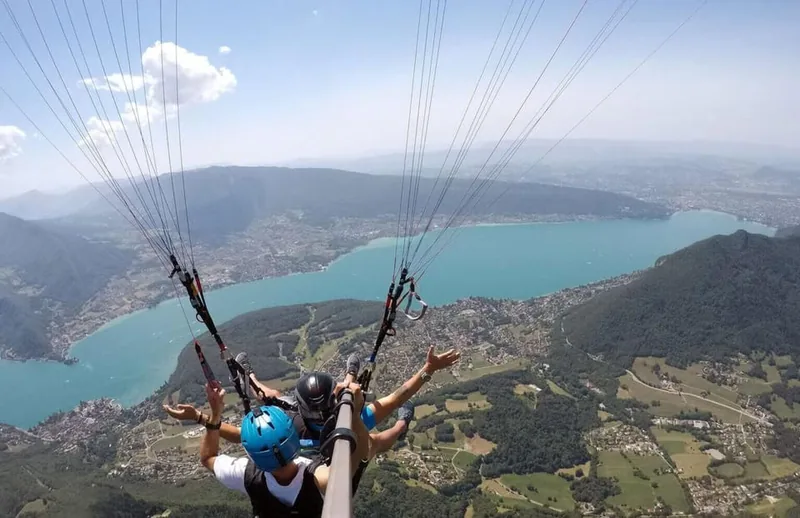
Very little in Annecy needs booking, which is unusual and worth saying plainly. You do not need timed tickets for the Old Town, the château, the beaches or the boats. Two things genuinely do sell out: tandem paragliding off the Col de la Forclaz in July and August, and canyoning at Angon, which is the best-reviewed activity in the area. Accommodation in high season is a third thing, and the further ahead the better.
The lake cruise is the exception that catches people out. It is the single thing most visitors want to do, and it is not best bought online — the boats are sold at the quay by the company that runs them, from 2 place aux Bois. The fares are published in full here, along with why the packaged versions score so badly.
 Lake launch
Annecy: Introductory Paragliding Flight over the Lake
 Best seller
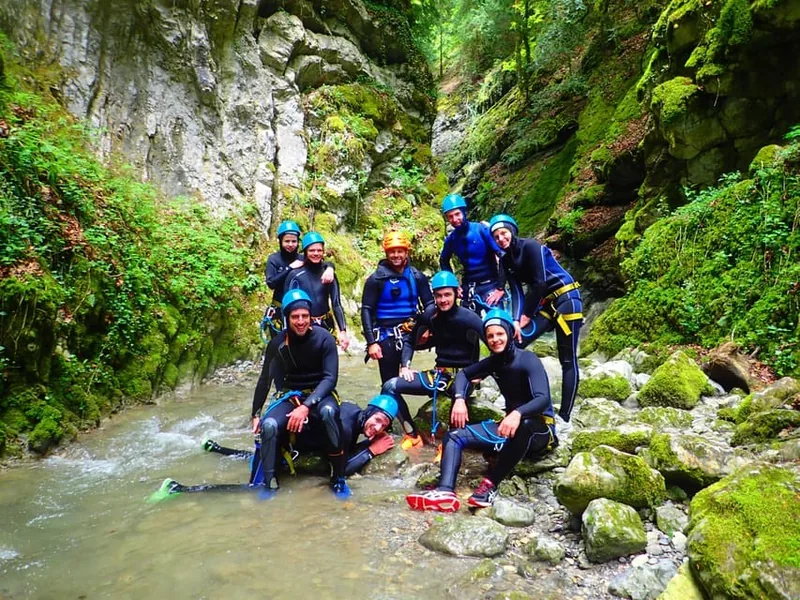
Talloires: Guided Canyoning Experience in Angon Canyon
 Rental
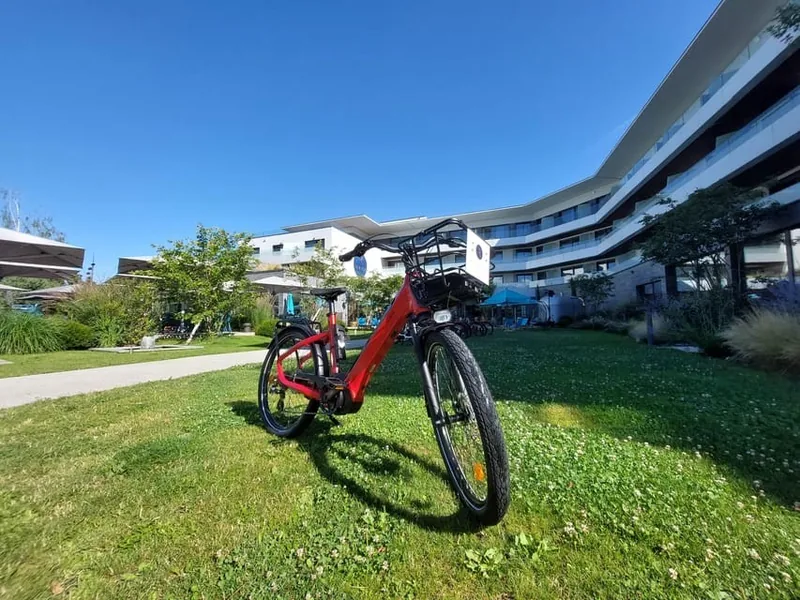
Annecy-le-Vieux: Electric and Classic Bike Rental
If you only have one clear-weather window in your trip, spend it above the lake rather than beside it. From town you cannot see Mont Blanc — the Semnoz and Mont Veyrier ridges are in the way — but from either of those summits, on a clear day, you can. That is the view people remember.
Where to go next
- 15 things to do in Annecy, mapped
- The Old Town — what is actually there
- Lake Annecy — the cleanest-lake story, properly told
- Where to stay — neighbourhoods and trade-offs
- What to eat in Savoie
- Is Annecy worth visiting? — the honest answer
Can’t make these dates?
Browse more tours and activities in Annecy and find one that fits your schedule — all with instant confirmation and free cancellation.
Frequently asked questions
How many days do you need in Annecy?
One day covers the Old Town and a boat trip. Two days lets you add the lake itself — the western-shore cycle path, a village on the far side, or a flight off the Col de la Forclaz. Beyond three days you stop sightseeing and start living there for a week, which is the best way to use the place.
Is Annecy walkable?
Entirely. The historic core is about half a kilometre across and pedestrianised, and the furthest of the town beaches is around 1.5 km from the centre. Nothing in central Annecy is more than a fifteen-minute walk from anything else. You do not want a car here.
What is Annecy famous for?
The canals of the Old Town and the Palais de l'Ile standing in the middle of the Thiou, which is why it is nicknamed the Venice of the Alps; a lake with a serious reputation for cleanliness; and the international animation film festival, which has run since 1960 and is the biggest event of its kind in the world.
Is Annecy better than Chamonix?
They answer different questions. Annecy is a lake town with a historic centre and warm-water summers; Chamonix is a high-mountain base under Mont Blanc. If you want to swim, cycle and eat well, Annecy. If you want glaciers and serious altitude, Chamonix — and they are only about 102 km apart, so you can have both.
Do you need to book anything in advance for Annecy?
Accommodation in July and August, yes, and as far ahead as you can. Tandem paragliding and canyoning, yes, in high season. Almost nothing else — the museums, the beaches and the boats are all walk-up, and the lake cruise is best bought at the quay on the day.